Yanmar is a Japanese company that enjoys global recognition as a leading brand specialising in the manufacture of machinery and engines for the agr
CONSTRUCTION EQUIPMENT, PARTS & SERVICE, SALES
TEL: 01743 718777 FAX: 01743 718867
Yanmar is a Japanese company that enjoys global recognition as a leading brand specialising in the manufacture of machinery and engines for the agr
Starter motors are typically divided into two different categories: the conventional type and the reduction type.
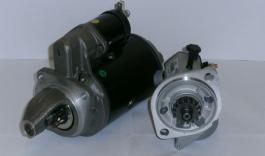 Different categories of conventional starters:
Other types of starter motors include the Pneumatic Motor, this is powered by compressed air or inert gases and is often used in the construction industry.
The hydraulic motor provides a spark free method of starting an engine across a wide range of temperatures.
Today’s modern starter is an electric motor which engages when the ignition is turned with a key and is designed with either a permanent magnet or with a starter solenoid mounted on to it. Electric starter motors are used in most gasoline engines and a variety of diesel engines – marine engines have additional protection against moisture.
In a typical front engine, the starter is mounted near the back of the engine. A flex plate or fly wheel which has a ring gear around the edge, is attached to the end of the crankshaft. At the end of the starter there is a gear (referred to as the pinion gear), this is specifically designed to fit into the grooves of the gear ring.
Turning the key in the ignition energises the starter motor, the electro magnet inside the body engages, pushing out a rod to which the pinion gear is attached. When the pinion meets the fly wheel the starter begins to turn, subsequently turning the engine. As the engine turns, it sucks in air and fuel. A strong electrical current is drawn from the battery through thick spark plug wires all the way to the plugs to ignite the fuel and the combustion process begins.
Once the engine beings to spin, the starter disengages – the electromagnet stops, the pinion gear comes out of contact with the fly wheel as the rod retracts into the starter once again. This helps prevent any damage caused to the starter unit, as spinning it too fast may cause damage. In cars, the ignition switch has a return spring – when the key is released it springs back and turns the switch off. Return springs ensure the starter motor doesn’t turn more than it needs to or spin too fast and doesn’t run the battery flat.
An alternator is essentially an electrical generator, it converts mechanical energy into electrical energy by alternating current.
The alternator works with a battery to power the electrical components of a vehicle such as the lights and information panel. The majority of alternators use a rotating magnetic field with a stationary armature.
Alternators can be used for:
A wide range of starter motors and alternators both genuine and non genuine, are available for plant, construction and agricultural equipment and the majority of industrial engines.